
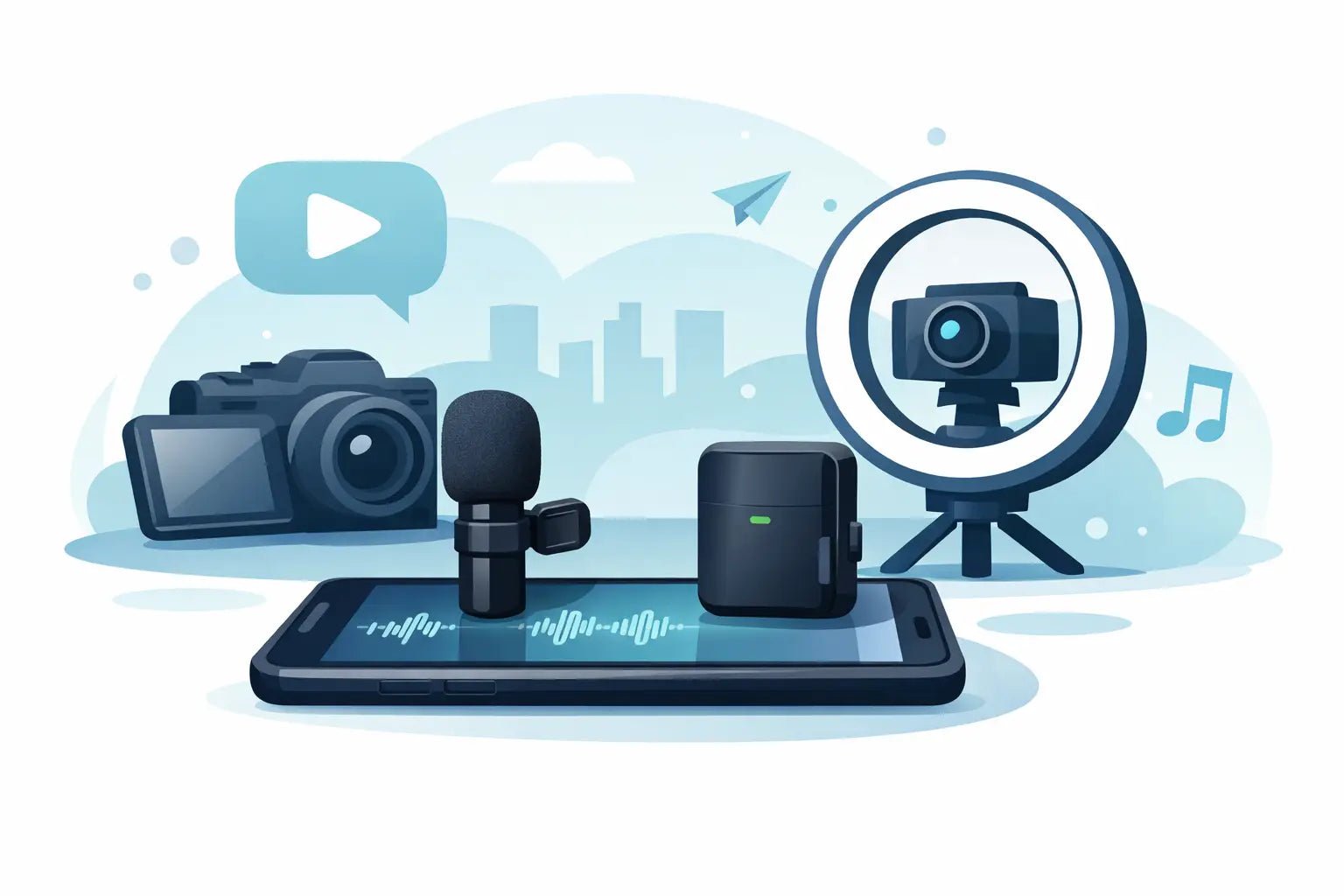
Bad audio gives you away fast. A sharp edit, clean color, and strong framing can still feel low-rent the second your voice sounds distant, thin, or full of room echo. That is why a real mini wireless microphone review matters for creators shooting on phones, action cams, and lightweight rigs where speed is everything.
The category has exploded for a reason. Mini wireless mics promise better voice pickup without turning your setup into a film cart. Clip one on, plug a receiver into your phone or camera, and you are suddenly working with a much more polished sound profile. The catch is that not every compact system gets the basics right. Some look sleek but struggle in noisy streets. Others sound decent but feel clunky, cheap, or annoying to use on a daily shoot.
What a mini wireless microphone review should actually measure
A lot of reviews lean too hard on spec sheets. Creators usually care about something simpler - does it make your voice sound clean, present, and confident without slowing you down?
That starts with vocal clarity. The best mini systems bring your voice forward and reduce that hollow built-in mic effect that makes social content feel accidental. You want speech to sound close, natural, and consistent, especially if you film outdoors, in cafes, at events, or on the move.
Portability matters just as much. A wireless mic can sound good in a controlled room and still fail the real test if the receiver is awkward, the transmitter is too bulky for a shirt collar, or the charging case takes up half your sling bag. Good creator gear should disappear into your workflow.
Then there is compatibility. If your setup rotates between iPhone, Android, DJI, or GoPro, you need a system that works without adapter drama. This is where many buyers get burned. A mic that sounds strong but only fits one part of your content pipeline can become dead weight fast.
Sound quality is still the whole point
The biggest jump from built-in audio to wireless mic audio is intelligibility. People do not need studio perfection in every reel or vlog, but they do need to understand you instantly. If a viewer has to work to hear your words, retention drops.
In a strong mini wireless microphone review, listen for how the mic handles consonants, plosives, and shifting distance from the mouth. Cheap systems often exaggerate harshness or go muddy when you turn your head. Better ones keep speech stable and flattering even when you are walking, gesturing, or changing angles.
Noise control is another real separator. Some compact wireless systems now offer voice enhancement or smart noise reduction, and when it is done well, it helps a lot in creator environments. Street traffic, HVAC hum, crowd wash, and room reflections can all wreck a fast shoot. That said, aggressive processing can also make speech sound thin or overly filtered. The best result is not silence. It is balance.
If your content lives mostly indoors, a more natural sound may matter more than strong noise suppression. If you shoot fitness, travel, live events, or daily social content in unpredictable spaces, cleaner processing may be worth the trade.
Design matters more than audio brands used to admit
Creators wear their gear on camera. That changes the standard.
A mini wireless microphone is not just a tool anymore. It is visible hardware that sits on jackets, tees, hoodies, workout sets, and interview looks. A chunky black clip with harsh branding can pull focus in a way that older audio buyers might ignore but modern creators absolutely notice.
This is where design starts to matter beyond vanity. Small size, refined finishes, and low-profile clips help the mic blend into your visual identity. If you create beauty content, lifestyle content, street interviews, or premium brand work, gear aesthetics are part of the production value.
The smartest products in this category understand that performance and style do not compete. They work together. A mic that sounds great and looks considered is simply easier to use more often.
Setup speed can make or break the purchase
The dream is simple: open case, pair fast, record. Reality is mixed.
Some mini wireless systems are genuinely creator-friendly. They auto-connect quickly, display clear battery status, and make it obvious when you are live. Others bury simple actions behind odd button combos or unreliable pairing behavior. That friction gets old fast, especially if you are filming solo.
The strongest systems reduce decision fatigue. You should not need to troubleshoot before every shoot. If you post frequently, your mic should feel like your phone - always ready, easy to trust, and fast to deploy.
Battery life also lands here. Long sessions matter for interviews, travel days, livestreams, and event coverage, but daily convenience matters too. A compact charging case is often more useful than chasing huge battery claims on paper. Most creators want a system they can top up between shoots without thinking too hard about it.
Mini wireless microphone review: where compact systems win and where they struggle
Mini wireless microphones are at their best when you need mobility. Vlogging, talking-head content, run-and-gun social clips, tutorials, product demos, behind-the-scenes footage, and mobile interviews are all ideal use cases. You get cleaner speech without boom stands, cables, or a complicated audio chain.
They also help solo creators look more put together. A tiny transmitter clipped to your shirt is usually much easier to manage than a traditional lav setup with separate recorders and cable routing. For creators who need speed, that matters.
But there are limits. Ultra-compact systems can still struggle with heavy wind, very wide dynamic range, or crowded RF environments. If you are recording cinematic dialogue in difficult outdoor conditions, a tiny wireless system will not replace every pro setup. If you want the absolute richest sound for voiceover or controlled podcast production, a dedicated studio mic still wins.
That does not make mini wireless systems a compromise. It just means the right question is not, is this as powerful as full-size gear? The real question is, does it deliver a serious quality jump for the way you actually shoot?
Who should buy one and who should skip it
If you create content on a phone, action camera, or lightweight mirrorless rig, a mini wireless mic usually makes immediate sense. It is one of the fastest production upgrades you can hear. Your videos sound more intentional. Your voice cuts through. Your brand feels more premium.
It makes even more sense if you film outdoors, record explainer content, shoot client social assets, or post often enough that ease of use matters as much as raw audio quality. In those cases, a compact wireless system is not just convenient. It is foundational.
You may want to skip it if most of your recording happens at a desk in a treated room, or if your work leans heavily into music capture, cinematic field recording, or long-form studio production. Those workflows often reward different tools.
For everyone else, the category is hard to ignore. That is especially true now that newer systems are starting to combine better vocal processing with creator-first design. Wynwood Sound sits right in that lane, with a clear read on what mobile creators actually need - polished speech, small form factor, and gear that looks current on camera.
What to look for before you buy
A smart purchase comes down to fit. Think about where you record, what device you use most, and how visible the mic will be in your content. If your work is fast, public, and mobile, prioritize quick setup, compact design, dependable connection, and strong voice presence over niche pro features you may never use.
If your content often happens in noisy locations, pay attention to how the system handles speech isolation without making voices sound artificial. If aesthetics matter for your brand, do not treat that as superficial. It is part of the product experience.
And if you switch between devices often, make compatibility a first-pass filter, not an afterthought. A mic that only works well in one corner of your setup is rarely the one you will keep reaching for.
The best creator gear earns a place in your bag by being easy to trust. That is the real test. When a mini wireless mic gives you cleaner voice, faster setup, and a look that fits your content, it stops feeling like an accessory and starts feeling like part of your creative identity.
Good sound should not slow you down. It should move with you.