
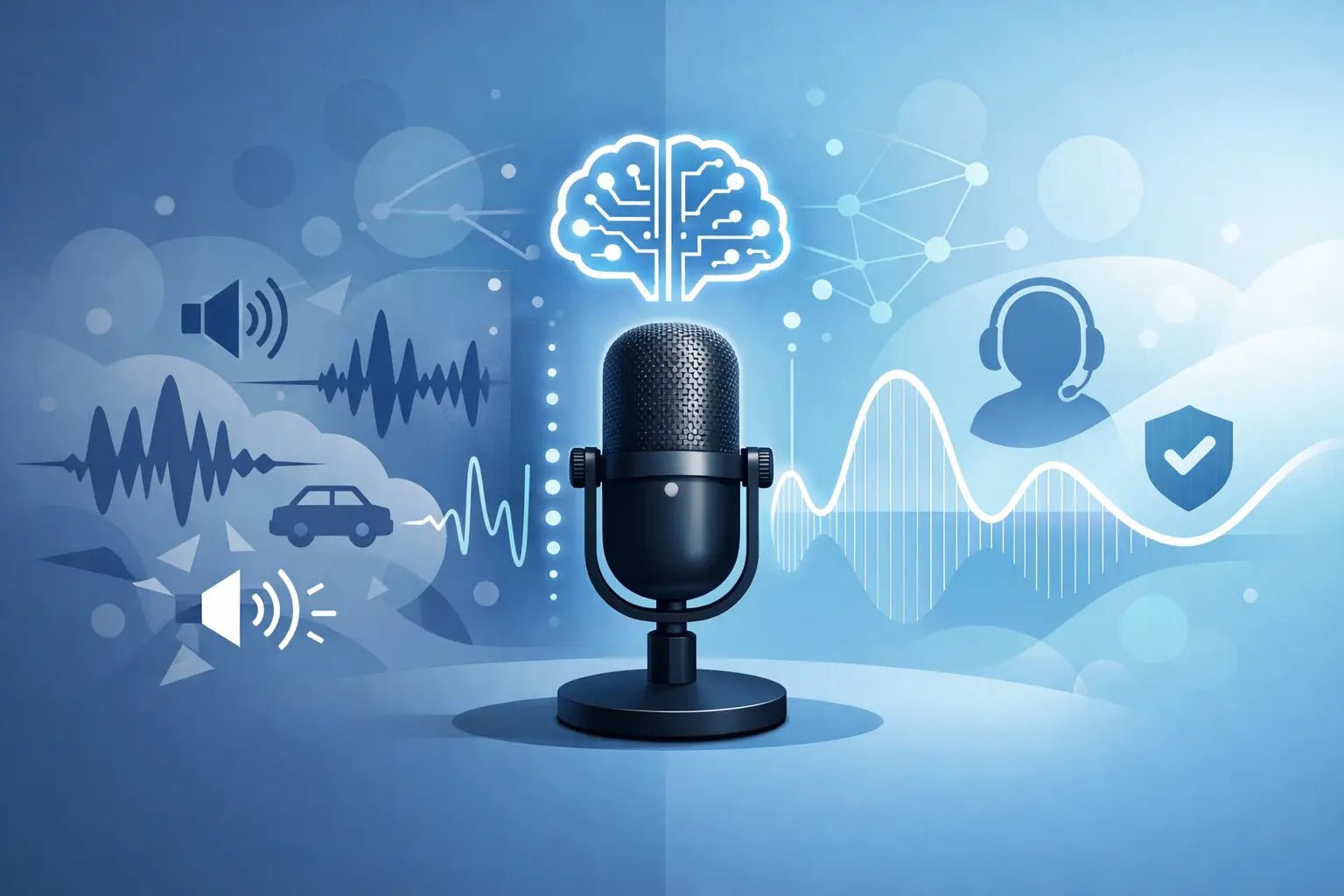
Bad audio gives you away fast. You can shoot in 4K, color-grade the clip, and nail the edit, but if your voice is buried under traffic, wind, HVAC hum, or coffee shop chatter, the whole piece feels cheaper than it looks. That is exactly why an ai noise reduction microphone has become such a smart upgrade for creators working on phones, action cams, and compact rigs.
For most people, the real appeal is not lab-grade audio theory. It is speed. You want cleaner voice capture without carrying a full recorder, without building a complicated signal chain, and without fixing everything in post. An AI-powered mic promises that kind of shortcut. Sometimes it delivers brilliantly. Sometimes it depends on how and where you shoot.
What an AI noise reduction microphone actually does
At the simplest level, an AI noise reduction microphone is designed to separate your voice from the sounds around it. Instead of recording everything with equal enthusiasm, it uses signal processing to identify speech and reduce competing noise in real time or near real time.
That matters because most creator environments are messy. Sidewalk interviews, travel vlogs, gym content, car clips, behind-the-scenes footage, and quick talking-head posts rarely happen in controlled studios. You are often dealing with wind bursts, room echo, keyboard clicks, air conditioners, and random voices in the background. A standard mic hears those problems. A smart mic tries to prioritize you.
The key word is tries. AI noise reduction is not magic. It works best when your voice is reasonably close to the microphone and clearly louder than the background. If you are filming from too far away, shouting over a concert-level environment, or clipping the mic with overload, even advanced processing has limits.
Why creators are moving toward AI noise reduction microphone systems
The shift makes sense if you look at how content is made now. Most creators are not building content around traditional audio workflows. They are filming vertical video on an iPhone, grabbing B-roll on a GoPro, posting same-day edits, and trying to look polished without looking overproduced.
That is where an AI noise reduction microphone feels current. It fits the way creators actually work - portable, fast, and mobile-first. Instead of treating better audio like a full production upgrade, it turns it into a small, wearable tool that travels easily and starts helping right away.
There is also a branding layer to this. Your voice is part of your visual identity now. If your feed looks premium but sounds inconsistent, that gap shows. Clean voice capture makes content feel more intentional, more trustworthy, and more watchable. People may not compliment your mic by name, but they notice when your audio sounds calm, focused, and clear.
The biggest benefits in real-world use
The first win is obvious: clearer speech. If your content depends on what you are saying, reducing background distraction keeps the listener locked in. This is especially valuable for tutorials, product explainers, interviews, commentary, and voice-led social content.
The second win is a faster workflow. Good source audio saves editing time. You do not have to push aggressive cleanup in post, and you are less likely to end up with that processed, underwater sound that can happen when you try to rescue bad recordings later.
The third win is portability. A compact wireless system with AI voice enhancement makes more sense for modern creators than a bulky setup with separate recorders and adapters. You can move through airports, streets, events, and quick client shoots without turning your bag into a production cart.
And then there is confidence. That part gets overlooked. When you know your mic is actively helping control chaos around you, you shoot more freely. You are more likely to grab the take outside, film the walk-and-talk, or capture the moment instead of waiting for perfect silence that never comes.
Where an AI noise reduction microphone helps most
Mobile creators probably feel the difference first. Smartphone cameras have improved fast, but built-in audio still struggles in uncontrolled spaces. A dedicated mic with AI noise handling brings your sound quality closer to the visual standard your phone already delivers.
Action-camera users also benefit. GoPro and similar cameras are made for movement, but movement creates noise. Wind, handling, and environmental sound can overwhelm speech. Pairing that setup with a compact wireless mic gives you a much better chance at usable voice audio while staying lightweight.
Podcasters and streamers can benefit too, though the result depends on the room. In a mildly noisy home setup, AI processing can reduce distractions and tighten vocal presence. In a badly echoing room, it can help, but mic placement and room treatment still matter. Software cannot fully replace acoustics.
For social-first entrepreneurs, the advantage is consistency. If you are filming product videos, founder updates, coaching clips, or brand storytelling content from different locations, you want your voice to feel stable from post to post. That continuity makes your content feel more professional.
What to watch out for before you buy
The biggest mistake is assuming every AI feature performs the same way. Some microphones apply subtle, effective cleanup. Others are too aggressive and can thin out the voice or create artifacts. If speech starts sounding brittle or unnatural, the technology is helping too hard.
Battery life matters more than people expect. Noise reduction and wireless transmission both draw power, so a mic that sounds great for short clips but struggles through longer shoot days may not fit your workflow.
Compatibility is another make-or-break point. If you switch between iPhone, Android, DJI, and GoPro setups, you need a microphone system that supports that kind of flexibility. Creator gear should follow your workflow, not trap you in one lane.
Design also matters, especially for on-camera use. The best creator tools do not just perform well. They look considered. A microphone that is compact, clean, and wearable without distracting from your fit or frame has a real advantage. Gear is part of the shot now.
How to choose the right AI noise reduction microphone
Start with your shooting style. If you mostly film solo talking-head content, clarity and ease of setup should lead the list. If you shoot outdoors a lot, wind handling becomes just as important as noise reduction. If you record interviews, look for stable wireless performance and easy monitoring.
Then think about your edit style. If you want fast turnaround and minimal post, stronger onboard processing may be worth it. If you prefer more control in editing, you may want a mic that sounds natural first and uses AI cleanup more gently.
Your camera ecosystem matters too. A creator switching between phone and action cam needs a flexible system. A desk-based streamer has different priorities from a travel vlogger. There is no single best answer, only a better fit for how you work.
This is where creator-focused products stand out. A system built for portable workflows, clean design, and quick setup feels different from old-school audio gear repackaged for social video. That creator-first approach is part of why brands like Wynwood Sound are pushing audio into a more modern lane.
AI is powerful, but mic technique still matters
Even the best AI noise reduction microphone cannot fix every recording habit. If the mic is too far from your mouth, your voice drops and the room takes over. If clothing rubs against the mic, the algorithm may not know what to do with that harsh friction sound. If wind hits the capsule directly, no amount of intelligence makes that pleasant.
Simple habits still pay off. Keep the mic close enough for a strong vocal signal. Watch placement so it does not brush against fabric. Test your levels before a long take. And if you are outside, use proper wind protection whenever possible.
Think of AI as an edge, not a replacement for fundamentals. It can dramatically improve usable audio, but it works best when the raw capture is already decent.
Why this category is only getting bigger
Creator tech is moving toward compact tools that do more with less friction. That is the bigger story here. People want studio-style results from gear that fits in a pocket, works across devices, and looks good on camera. AI noise reduction fits that shift perfectly because it solves a real pain point without demanding a bigger production footprint.
As audiences get more selective, clean audio is becoming part of the baseline. Not because every viewer understands microphone specs, but because everyone recognizes when a voice sounds clear and close. Better sound makes content easier to trust and easier to finish.
If your content lives on movement, personality, and speed, audio should support that energy instead of slowing it down. The right mic does not just remove noise. It gives your voice more room to land.