
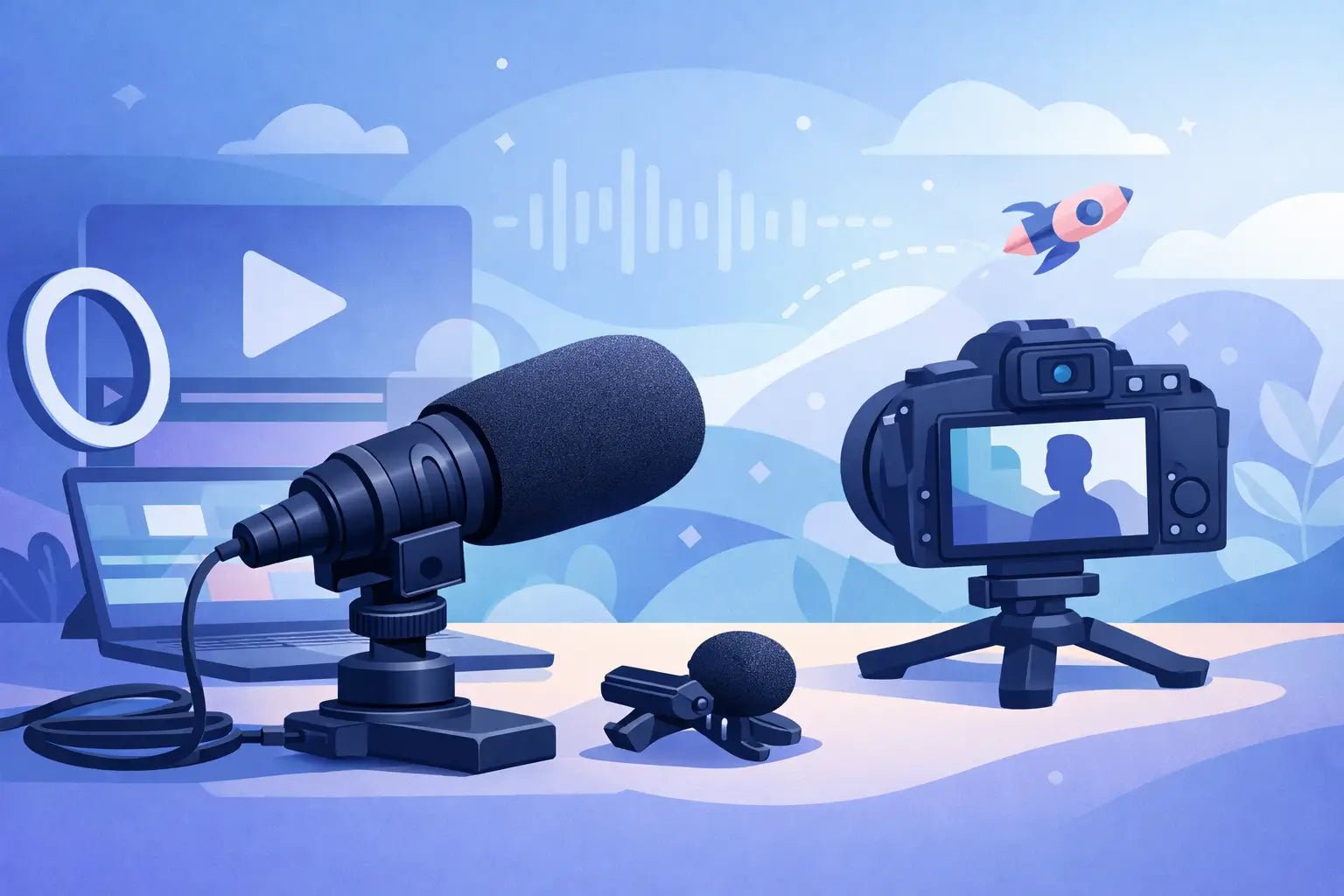
Bad audio makes a video feel cheap fast. You can have clean edits, sharp framing, and a great thumbnail, but if your voice sounds distant, echoey, or thin, people notice. That is why finding the best budget mic for YouTube videos matters more than most creators think - especially if you shoot on a phone, a compact camera, or a lightweight run-and-gun setup.
The good news is you do not need a giant studio mic or a desk full of gear to sound better. For most YouTube creators, the right budget mic is the one that fits your shooting style, keeps setup simple, and gives your voice enough clarity to feel intentional. Better sound is not just technical polish. It shapes how professional, trustworthy, and watchable your content feels.
What the best budget mic for YouTube videos really means
"Budget" means different things depending on your channel. If you are starting out, budget might mean under $50. If you already post consistently and want cleaner audio without stepping into pro-level pricing, it may mean under $100 or under $150. The point is not finding the cheapest option on the market. The point is finding the mic that gives you the biggest upgrade per dollar.
That usually comes down to three things: vocal clarity, ease of use, and compatibility with your setup. A mic can sound decent in a quiet room and still be the wrong choice if it is awkward on camera, unreliable outdoors, or annoying to connect to your phone. Creator gear should work with your flow, not slow it down.
For YouTube, audio quality also depends on context. A seated talking-head creator has different needs than someone filming street interviews, product demos, workouts, travel vlogs, or car content. The best budget mic for YouTube videos is not one universal product. It is the right type of mic for the way you create.
Start with your filming style, not the spec sheet
If you mostly film at a desk, a USB microphone can be a strong low-cost option. It is simple, reliable, and often gives fuller voice capture than tiny on-camera mics. This setup works well for commentary, tutorials, reaction videos, and livestream-style content. The trade-off is obvious - USB mics are not built for mobility. They stay where your desk stays.
If you shoot on the move, wireless mics make more sense. A compact wireless system gives you freedom to move, keeps the mic close to your mouth, and usually sounds more direct than your camera’s built-in mic. This matters for creators filming fitness clips, behind-the-scenes footage, vlogs, outdoor pieces, or anything handheld. Convenience is part of quality because if a setup is easy, you are more likely to use it every time.
Shotgun mics sit somewhere in the middle. Mounted on a camera or boom, they can work well when you want a cleaner directional sound without clipping a mic onto your shirt. But they are more sensitive to distance than many beginners expect. If the mic is too far from your mouth, the result can still sound roomy. They are useful, just not magic.
Lavalier mics are often the smartest budget move for solo creators. Wired lavs are inexpensive and can sound surprisingly clear when placed well. Wireless lav systems cost more, but they remove cable headaches and feel much better for mobile shooting. If your content centers on your voice, keeping the mic close is one of the fastest ways to level up your sound.
The trade-offs most creators learn the hard way
Cheap microphones can look similar online, but they do not behave the same once recording starts. Some add hiss. Some clip too easily. Some struggle with connection stability. Others are technically usable but so bulky or awkward that they kill the look of a clean video setup.
That is where trade-offs matter. A low-cost USB mic may sound richer indoors but be useless for outdoor filming. A super-cheap wireless mic may feel convenient until it drops signal or captures harsh, brittle audio. A tiny camera-mounted mic may preserve your visual aesthetic but still leave your voice too far away.
Design matters too, especially for creators building a visual brand. Your gear lives on camera, in your bag, on your desk, and in your daily workflow. You do not want something that feels dated, oversized, or overly technical if your content style is clean and modern. Sound with style is not a throwaway idea. It is part of how creators choose tools now.
What to look for in a budget mic
Good budget mics share a few traits even when their formats differ. First, they make your voice sound closer and more focused than your built-in mic. Second, they are quick to set up. Third, they work with the devices you actually use.
If you record on iPhone or Android, compatibility is huge. Some budget mics sound promising until you realize they need extra adapters, odd settings, or a camera-specific input you do not have. If you switch between phone, tablet, action camera, and laptop, look for a mic that supports that kind of flexible workflow.
You should also pay attention to background noise handling. No budget mic can erase a loud street or an echo-heavy room, but some do a better job of prioritizing the voice. That is especially useful for creators filming in apartments, cafes, co-working spaces, cars, and outdoor locations where perfect silence is not realistic.
Battery life, charging case design, and portability deserve more attention than they usually get. If a mic is small enough to keep in your everyday kit, you will use it more. If it charges fast and stores cleanly, you will trust it on busy shoot days. Friction adds up.
Best budget mic categories for YouTube creators
For desk-based creators, a budget USB mic is still the easiest recommendation. It is affordable, sounds polished in controlled spaces, and works well for tutorials, gaming commentary, and podcast-style videos. Just know that it is a stationary solution.
For mobile creators, the best value is often a compact wireless lav system. It gives the biggest before-and-after jump compared with built-in phone audio, and it fits the way modern creators actually work. You can move naturally, frame wider shots, and still keep your voice present. For many YouTubers, this is the sweet spot between quality and convenience.
For ultra-tight budgets, a wired lav can still be a smart choice. It is not glamorous, and cable management can be annoying, but if your priority is getting cleaner voice audio for as little money as possible, it works. If you mostly shoot sitting down or in controlled scenes, the compromises may be minor.
For creators using action cameras or small rigs, size becomes a deciding factor. Large audio accessories can ruin the portability of a compact setup. That is why newer creator-focused wireless systems feel more relevant than old-school audio gear. They are built for movement, quick shooting, and lightweight devices.
One reason products in this category stand out is that they reflect how content gets made now. A system like Wynwood Sound’s CreatorMic fits that creator-first logic - compact, modern, and aimed at people who want clearer vocals without turning their setup into a production cart.
How much should you actually spend?
If you are just testing YouTube, stay practical. A solid wired lav or entry-level USB mic can be enough to beat built-in audio and make your videos feel more intentional. You do not need to overspend before you know your format.
If you already post consistently, spending a little more on a portable wireless system often makes sense. At that point, speed matters. Reliability matters. Looking polished matters. Better audio can help retention, brand perception, and confidence on camera, even if viewers never mention the mic by name.
There is also a hidden cost to buying too cheap. If a mic frustrates you, sounds inconsistent, or stops fitting your workflow after a month, it was never a bargain. The smarter budget buy is the one you can grow with for a while.
The right mic should disappear into your process
The best gear does not ask for attention every time you film. It clips on, connects fast, and lets you focus on the actual content. That is the real target when shopping for the best budget mic for YouTube videos. Not perfection. Not studio fantasy. Just clean, confident audio that fits your setup and helps your voice land the way it should.
If you are choosing between a cheaper mic that creates friction and a slightly better one that feels made for your workflow, go with the one that keeps you creating. Better sound should feel like progress, not homework.